
Comparing POF Shrink Film with Other Types of Films
In terms of the packaging of food items, not all bags can be used. PP woven sacks meant for food should
adhere to certain quality and safety standards to make sure that there is no contamination, spoilage, or
any loss during transportation and usage. Any kind of breach of the quality control standards could result
in much more serious repercussions than simply getting a damaged bag. If your products include items such
as grains, flour, sugar, spices, or animal feeds, then you need to understand the specifications of a
food-grade PP woven sack from those of regular bags.
It is important not just to observe safety regulations; your business must succeed in the current
market scenario, where regulations have become mandatory rather than an advantage to have over your
competitors. What makes a reputable supplier is not the adherence to these standards but consistency and
transparency in following these standards. This guide discusses these basic guidelines and helps you
understand their importance when sourcing food-grade PP bags.
What Makes a PP Woven Sack "Food-Grade"?
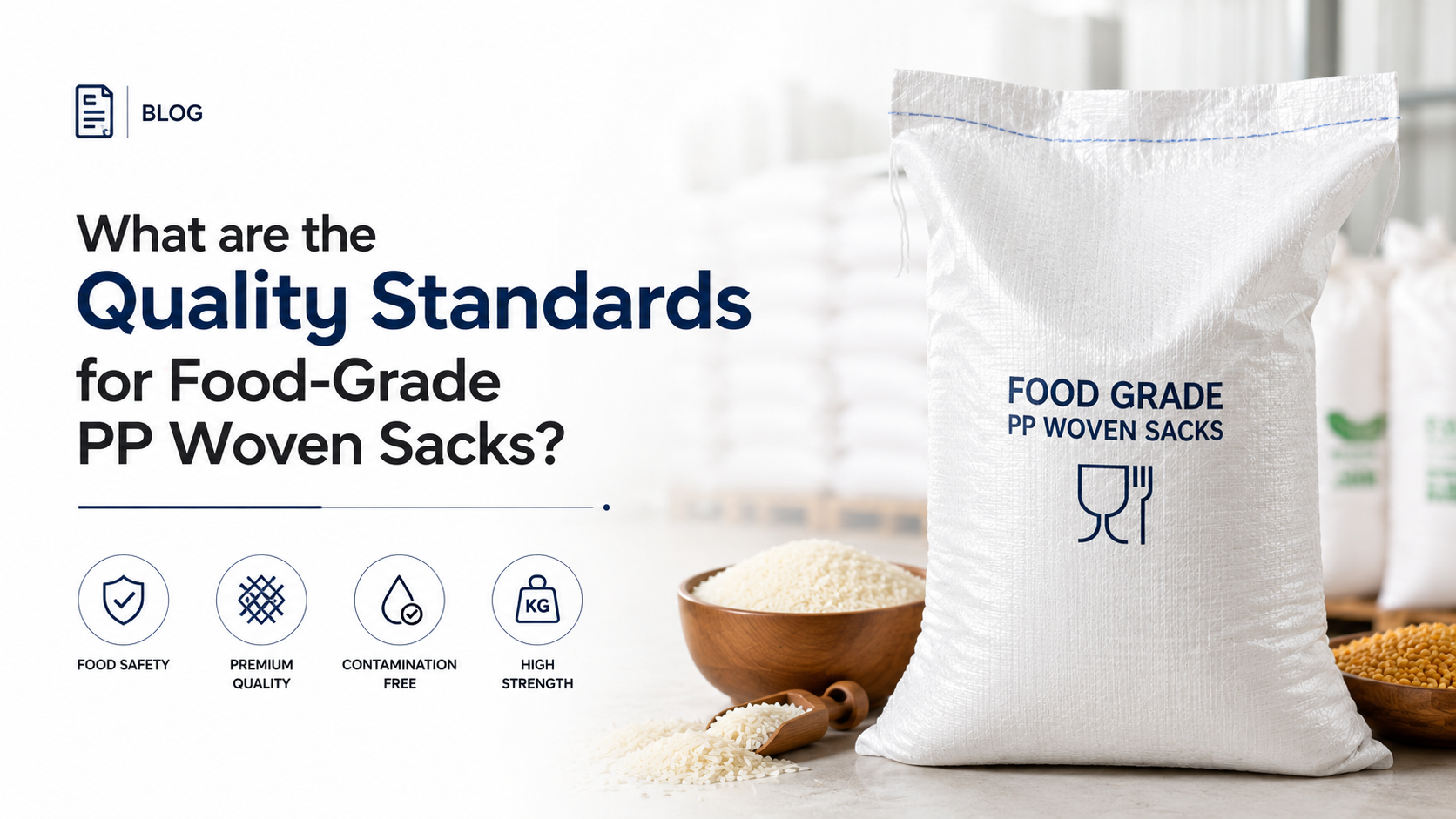
Food-grade PP woven sack refers to a woven bag that is produced through regulated processes from raw
materials that meet the requirements of safe use in direct or indirect contact with food products. This
certification does not simply serve as a mere title but is an indication of adherence to international
safety standards, a strict material selection process, and in-process quality control of all stages of
production.
All PP woven sacks available in the marketplace do not qualify as food-grade sacks. This is based on their
manufacturing processes, materials used, and whether the environment in which they are manufactured
complies with the hygiene requirements applicable to food contact packaging. Companies involved in
packaging various types of food products, including flour, sugar, grains, spices, or animal feeds, have no
other choice but to comprehend these important aspects.
Nevertheless, the major distinction is observed in the type of material utilised in the production of PP
woven bags. Regarding food-grade bags, the use of virgin polypropylene material, without any recycling or
contamination, is utilised in their manufacture. This is different from the other types of woven bags,
where the utilisation of recycled material is allowed in order to reduce costs, and thus no material used
previously or combined with unknown substances should be found in them.
Key Raw Material Requirements
Polypropylene granules used in manufacturing food-grade bags should meet international food-contact
standards. According to the country where the bags would be marketed, this implies adherence to either
European Union Regulation No. 10/2011 regarding the use of plastic materials for food contact in Europe
or FDA 21 CFR regulations in the U.S. market. For manufacturers based in India who sell their bags in
their domestic market, meeting BIS food packaging standards is an added criterion.
There should be adequate protection from ultraviolet radiation by applying UV stabilisers using systems
that are safe; cadmium- and lead-based stabilisers have been completely ruled out under food-safety
regulations worldwide. The masterbatch utilised for colouring the material must have certification as
being free from toxic elements and capable of not transferring colours to the food contents.
Apart from the resin, there should be complete traceability in the source of all raw materials used,
thus providing confidence to both manufacturers and customers alike that each bag produced adheres to
the same certified standard consistently.
Core Quality Standards for Food-Grade PP Woven Sacks
Food grade is not simply a matter of having the correct PP woven bag raw material. All the physical components that make up the sack must be within specific standards. This is necessary to ensure that the end product remains safe and durable for its intended life.
GSM and Tensile Strength
One of the most basic requirements in pp woven bags specs for buyers to consider is the fabric weight or
the weight per square meter, often referred to as the GSM weight. This requirement will dictate the load
capability of the bag, including its capacity to resist tearing. Most sacks for food products have a
weight anywhere between 60 GSM and 120 GSM.
Other pp woven bags use specs that involve the
tensile strength in the two directions. The tensile strength should be within the set standards to
ensure that the bag does not split when subjected to mechanical actions or vibrations while being
transported.
Lamination and Liner Standards
Most food packaging applications need PP woven bags
with liners, which is an extra layer on the inside, either made up of BOPP (Biaxially Oriented
Polypropylene) or polyethene, creating a moisture barrier seal and protecting the product against
contamination from outside sources. When it comes to food safety requirements, this liner must
necessarily be made of new food-grade material only. The liner will be sealed at the edges in order to
keep moisture and other contaminants away.
The exterior layer of lamination is where the printing is done and should always be done using
food-grade inks. These inks should have dried properly and should not be able to bleed through.
Stitching and Seam Integrity
It is crucial to have structural integrity of the seams, especially when it comes to sacks packed on automated high-speed machinery. Seams should be neat and even, and performed using food-safe material which does not leave any loose fibres inside the sack during the sewing process. The quality standard is 7-9 stitches per inch, with no loose threads, missed or irregular stitches allowed. In case of sacks for machine filling lines, preference should be given to double-folded or hemmed tops.
Contamination Control During Manufacturing
The production environment is, itself, a quality standard. The production of food-grade PP woven sacks has to be done in an environment where hygiene standards and other SOPs are strictly followed. There should be no traces of pests in the production plant, and there has to be batch testing at random intervals. Also, regular third-party audits of the production plant have to be conducted by food manufacturers in order to ensure the safety and quality of their products.
Types of PP Woven Bags Used in Food Packaging
Just as critical as the technical requirements is choosing the correct kind of PP woven bag. Different types of foods have specific requirements regarding their packaging, including their sensitivity to moisture, how they are filled, shelf-life considerations, and other factors. Knowing the various types of PP woven bags will enable buyers and purchasing departments to make sound choices for their products' protection.
Plain woven sacks
The most common structure employed in the packaging of commodities such as cereals, pulses, and grains, which do not fall into the category of sensitive products. This is because of their breathable nature, which helps prevent the accumulation of heat and moisture in commodities requiring airflow while being stored. Despite their simple structure, they have to adhere to certain standards.
Laminated woven sacks
This would be the best choice for packaging materials where printing clarity, waterproofing capability, and branding are important considerations. Flour, spices, sugar, and packed rice are popular choices for such a type of packaging. The BOPP film on the outside not only offers a printing surface but is also a barrier to environmental moisture.
Liner bags
The PP woven bags with liners take things a step further by having an inner lining of either polyethene or BOPP sleeve that has been heat sealed to ensure total enclosure of the product. Such bags are very important for storing hygroscopic goods, which means products that are capable of absorbing moisture from the air, like salt, powdered milk, specific spices, and speciality flours.
Valve bags
Tailored to suit automated filling applications involving fine powders of foodstuffs at high capacity.
This valve facilitates speedy and accurate filling processes, with negligible dust formation and optimum
sealing efficiency once the filling process is completed.
Despite variations in use based on the particular format of the pp woven bags, quality considerations
remain constant. Standards pertaining to raw materials, hygiene, and physical durability remain
universal, irrespective of the bag type chosen.
Why These Standards Matter for Your Brand
When it comes to packaging for foodstuffs, the quality of your sacks reflects on the quality of your
products. The failure of the packing may lead to product recalls, lawsuits, and ultimately ruin your
brand's reputation. This is not an exaggeration, it actually happens and happens daily within many firms
that care less about the quality of their packing than its cost. You get several benefits from
purchasing certified sacks, such as a reduction in losses due to wastage, fewer complaints and return
orders, better presentation of the goods, and overall professional appearance.
It cannot be overlooked how important it is for you to buy your PP woven plastic bags from suppliers who certify the
quality of their products. It goes without saying that when your products are quality certified, it
means that the tests have been carried out to ascertain it..
In Regal Woven, all sacks made for food purposes use virgin polypropylene (PP) resin. They undergo
tensile strength and GSM testing to ensure their quality, all done according to high hygienic standards
that conform to both national and international food safety requirements.
Conclusion
PP woven sacks made from food-grade PP materials meet more rigorous standards, not only because they
offer better performance but also because of their direct association with health and safety. A failure
within a single PP woven bag may lead to significant implications, from affecting the quality of the
packed products to impacting the compliance and reputation of the food supply chain..
The quality control starts from evaluating the properties of the PP woven bag raw material, the accuracy of the inner
liner production, sewing, and the maintenance of strict hygiene during manufacturing. All of these
aspects contribute to obtaining food safety certification and being actually worthy of such a
status..
Being well aware of the above standards will put you in an advantageous position when making purchasing
decisions - you will be able to choose the supplier wisely and ask the right questions regarding the
offered PP woven sacks.