
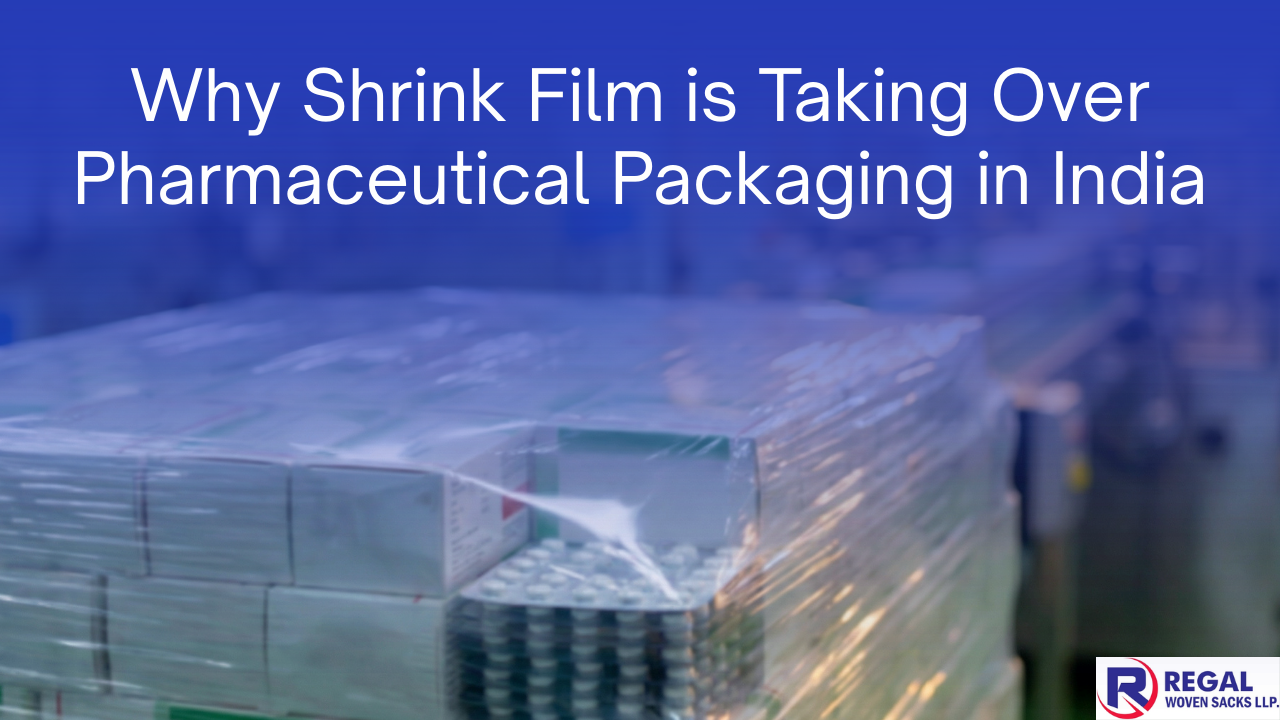
Quick Summary: Shrink film has become the go-to choice for pharmaceutical packaging because it's FDA-approved, creates tamper-proof seals, protects medicines from moisture and contamination, and works reliably across India's varied climate conditions. Here's what 15+ years in the packaging industry has taught us about why it works so well.
Last month, a pharmaceutical manufacturer in Baddi called us frustrated. Their medicine bottles were arriving at pharmacies with moisture damage, and they couldn't figure out why. After one look at their packaging setup, the problem was clear — they were still using old PVC film that couldn't handle the temperature swings during transport through the hills.
We switched them to shrink film. Problem solved within a week.
This isn't unusual. We see it constantly across India's pharmaceutical sector. Companies stick with outdated packaging materials until something goes wrong, then discover what shrink film has been offering all along.
What Makes Shrink Film Different for Medicines
Let me be straight with you — if you're packaging pharmaceuticals, polyolefin (POF) shrink film isn't just another option. It's become the industry standard for good reason.
Unlike PVC or other materials, shrink film is made from polyethylene and polypropylene. No chlorine, no harmful emissions when you heat-seal it, and most importantly — it's FDA-approved for direct contact with pharmaceutical products.
Think about what that means. The same film protecting your medicine bottles is certified safe enough to touch the actual medication if packaging gets damaged. That's a big deal.
The Real Benefits We See Every Day
1. Actually Keeps Medicines Safe
Medicines travel hundreds of kilometers in India before reaching patients. From factory to distributor to pharmacy, they face dust, humidity, temperature changes, and rough handling.
Shrink film creates a proper barrier. Moisture can't get in. Dust stays out. The tight seal prevents contamination during transport. We've tested this across every climate zone in India — coastal humidity in Mumbai, desert heat in Rajasthan, cold storage in the north. Shrink film holds up consistently.
2. Tamper-Proof Without Being Complicated
Patients need to know their medicines haven't been messed with. film shrinks so tight around products that you can't open them without visible damage. No special equipment needed - the shrink itself is the security.
A pharmacy owner in Pune told us this reduced their medicine returns by 60%. Customers could see immediately if packaging was intact. Simple, effective, builds trust.
3. Crystal Clear Visibility
Ever tried reading an expiry date through cloudy packaging? Frustrating, right? .
film stays transparent. Batch numbers, expiry dates, dosage instructions - everything remains perfectly readable without removing the packaging. This matters for everyone in the supply chain:
- Patients can verify medicines
- Pharmacists can perform quick checks
- Inspectors can review during audits
- Retailers can display products attractively
4. Survives India's Real-World Conditions
Let's talk about something nobody mentions in technical brochures - what actually happens to your packaging in the real world.
Medicines get loaded in trucks that sit in 45°C heat. They're stored in warehouses without proper cooling. Distributors handle thousands of packages daily without kid gloves.
film handles this. It doesn't crack in cold, doesn't melt in heat, seals stay strong despite rough handling. We've tracked products from factories to Kerala pharmacies - the film performs consistently throughout.
5. Environmentally Smarter
PVC releases toxic fumes when you seal it. doesn't.
Plus it's recyclable. More pharmaceutical companies care about this now, and honestly, so they should. Using recyclable packaging isn't just good PR - it's the right thing to do.
Where It Works Best
Not every application needs the same approach. Here's where we typically recommend film:
- Medicine bottles and strips: Creates perfect tamper-evident seals while keeping everything visible
- Bulk carton sealing: Protects multi-unit shipments going to hospitals and distributors
- Syrup bottles:The moisture resistance prevents label damage and maintains seal integrity
- Inhaler packaging: Odd shapes? No problem. conforms beautifully
- Export products: FDA compliance opens international markets
What to Actually Look For
When you're evaluating film for pharmaceutical use, focus on these practical factors:
Thickness: 15-25 micron works for most pharmaceutical applications. Thinner saves money but might compromise protection. Thicker costs more but handles rougher conditions.
Shrinkage Rate: You want 50-70% for pharmaceutical packaging. Too little won't create tight seals. Too much might deform products.
Clarity: This isn't negotiable for retail pharma. Customers won't buy what they can't see clearly.
Sealing Temperature: Look for films that seal at 130-150°C. This range works with most equipment and won't heat-damage products.
Common Mistakes to Avoid
After working with hundreds of pharmaceutical clients, we've seen the same mistakes repeatedly:
Using the cheapest option: Bottom-tier film exists, but quality varies wildly. Saving ₹20 per kg isn't worth it if you get 15% more rejects.
Skipping samples: Always test on your actual equipment with your actual products before ordering bulk quantities. What works in one setup might fail in another.
Ignoring climate factors: If you're in humid regions, pay attention to moisture barrier specifications. If you're shipping to hot zones, verify heat resistance.
Wrong specifications: Trying to use 12-micron film for heavy bottles? It'll tear. Using 30-micron for small strips? You're overspending.
The Cost Reality
film costs more upfront than some alternatives. Let's be honest about that.
But here's what we tell clients: calculate your real per-unit cost, not just material price.
When you factor in:
- Reduced product damage (fewer returns)
- Lower reject rates
- Lower reject rates (less waste)
- Faster production (consistent performance)
- Regulatory compliance (avoiding penalties)
- Extended shelf life (better inventory management)
...film often ends up cheaper overall. We've done the math with clients countless times. The pattern holds.
Getting Started Right
If you're considering switching to film or starting pharmaceutical packaging:
- Define product and equipment requirements- product type, packaging equipment, volumes, regulatory needs
- Request samples from 2–3 suppliers- test on your actual line, with your products, in your conditions
- Run real numbers- measure wastage, speed, quality during testing
- Talk to experienced suppliers- we've seen what works and what doesn't across hundreds of applications
- Start with a smaller order - verify consistency before committing to huge quantities
Why We Recommend at Regal
We've been in the packaging business long enough to see trends come and go. shrink film for pharmaceuticals isn't a trend - it's proven technology that solves real problems.
Does it work for every situation? No. Is it perfect? Nothing is. But for pharmaceutical packaging in India's challenging conditions, it's the most reliable option we've found.
IThe pharmaceutical companies we work with at Regal Woven aren't using film because we told them to. They're using it because it protects their products better, reduces their costs over time, and keeps patients safer.
That's what matters in pharmaceutical packaging - not fancy features or marketing claims, but real-world performance that you can count on batch after batch, shipment after shipment.
If you're packaging medicines, you owe it to your patients to get the packaging right. shrink film gives you the best shot at making that happen.